A custom swimming pool should solve the needs of the people who will use it. That may sound obvious, yet many pool projects begin with photographs, styles, or dimensions before anyone clearly defines the owner's priorities.
Working with a Custom Swimming Pool Contractor becomes more productive when you arrive at the first design discussion with a clear picture of how the pool should function.
For property owners in Bengaluru, Karnataka, the following checklist can help organize those decisions.
Define the Main Purpose
Start by identifying the pool's primary role.
Will it mainly support:
- Family recreation
- Fitness and lap swimming
- Relaxation
- Children's activities
- Social gatherings
- Hospitality use
- Architectural enhancement
- A combination of several needs
Purpose influences dimensions, depth, steps, seating, circulation, surrounding space, and even equipment requirements.
Decide Who Will Use the Pool
A household with young children may have different priorities from a couple seeking a quiet wellness space or a hospitality property serving many guests.
Consider age groups, swimming ability, frequency of use, accessibility needs, and expected number of users.
These details help transform a visually attractive concept into a usable design.
Think About the Pool From Inside the House
The relationship between the pool and building matters.
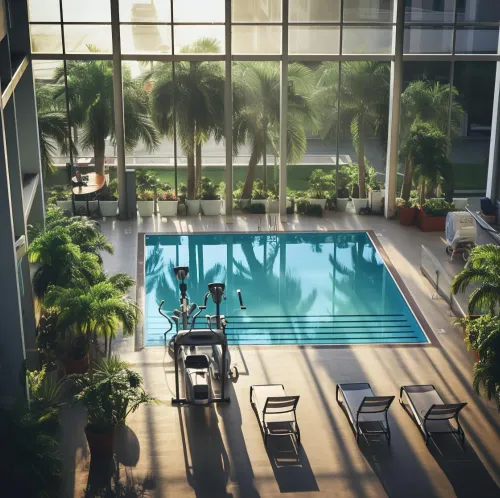
Look through important windows and doors. Consider which rooms face the pool, how people will reach it, and whether the water should become a major visual feature from indoor living spaces.
A well-positioned pool can contribute to the architecture even when nobody is swimming.
Plan the Space Around the Water
Owners often concentrate on pool dimensions and underestimate the importance of the surrounding area.
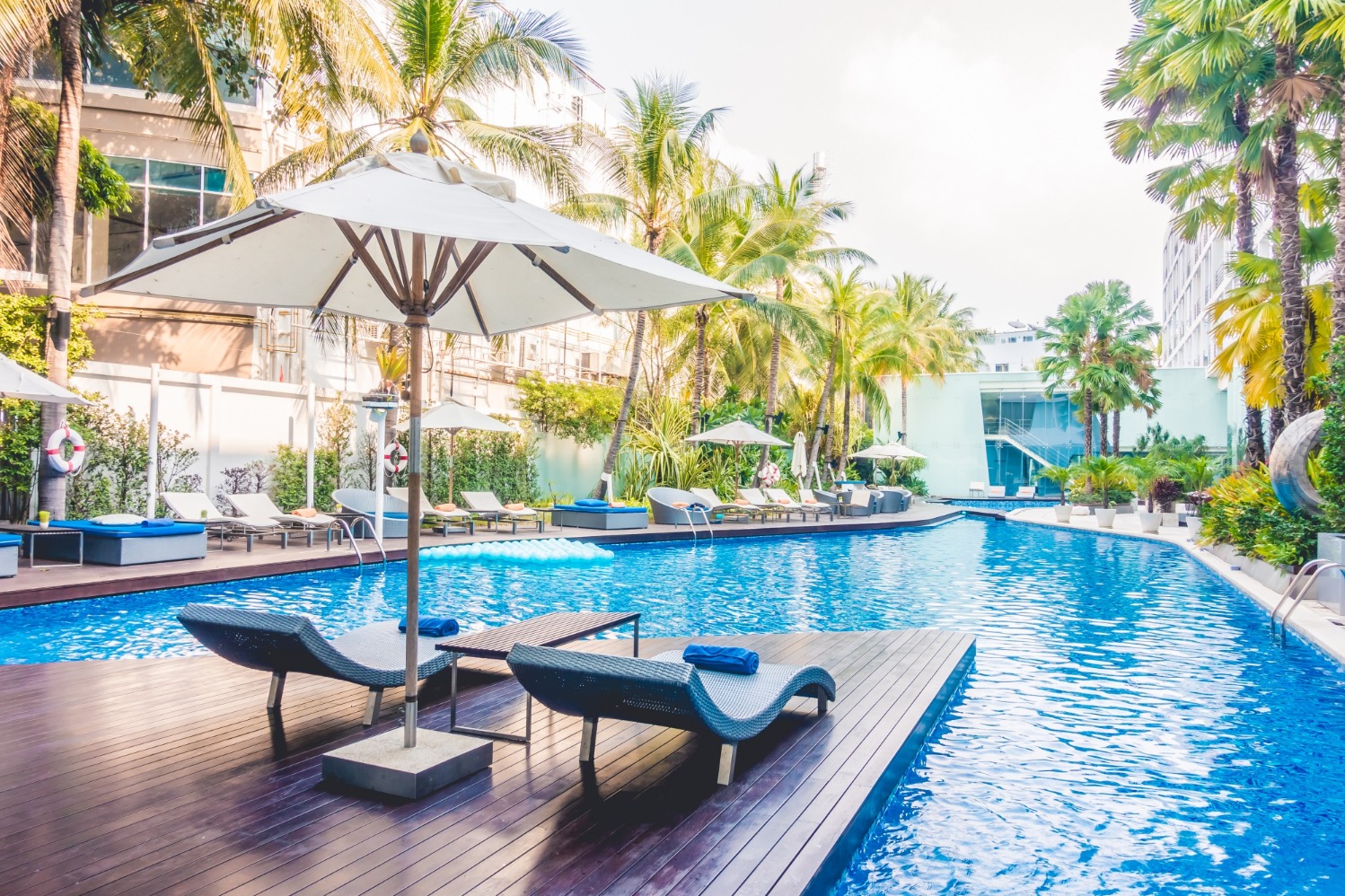
Think about circulation, seating, loungers, outdoor dining, landscaping, showers, changing areas, storage, and safe movement around wet surfaces.
The pool and its deck should function as one environment.
List Desired Features by Priority
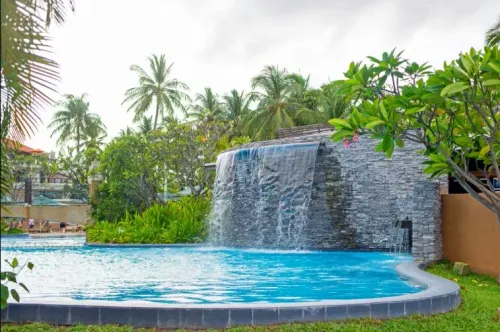
Waterfalls, fountains, underwater lighting, spa areas, shallow lounging zones, automated controls, and other features can all be considered.
Separate them into essential, preferred, and optional categories.
This helps protect important requirements if design or budget adjustments become necessary.
Discuss Maintenance Preferences
How much routine involvement do you expect?
Equipment accessibility, cleaning arrangements, filtration, water treatment, surface materials, landscaping, and automation can influence maintenance requirements.
Discussing these preferences early allows the technical design to respond accordingly.
For Bengaluru properties requiring individualized pool planning, Orenda Pools can work with owners, architects, and project teams to develop a solution around site-specific requirements.
Customization is most valuable when it serves a purpose. A productive design brief should therefore explain not only what you want the pool to look like, but how you want to swim, relax, entertain, maintain the space, and experience it as part of the wider property
Keywords